
Why 3D Product Visuals Can Improve Amazon Listings
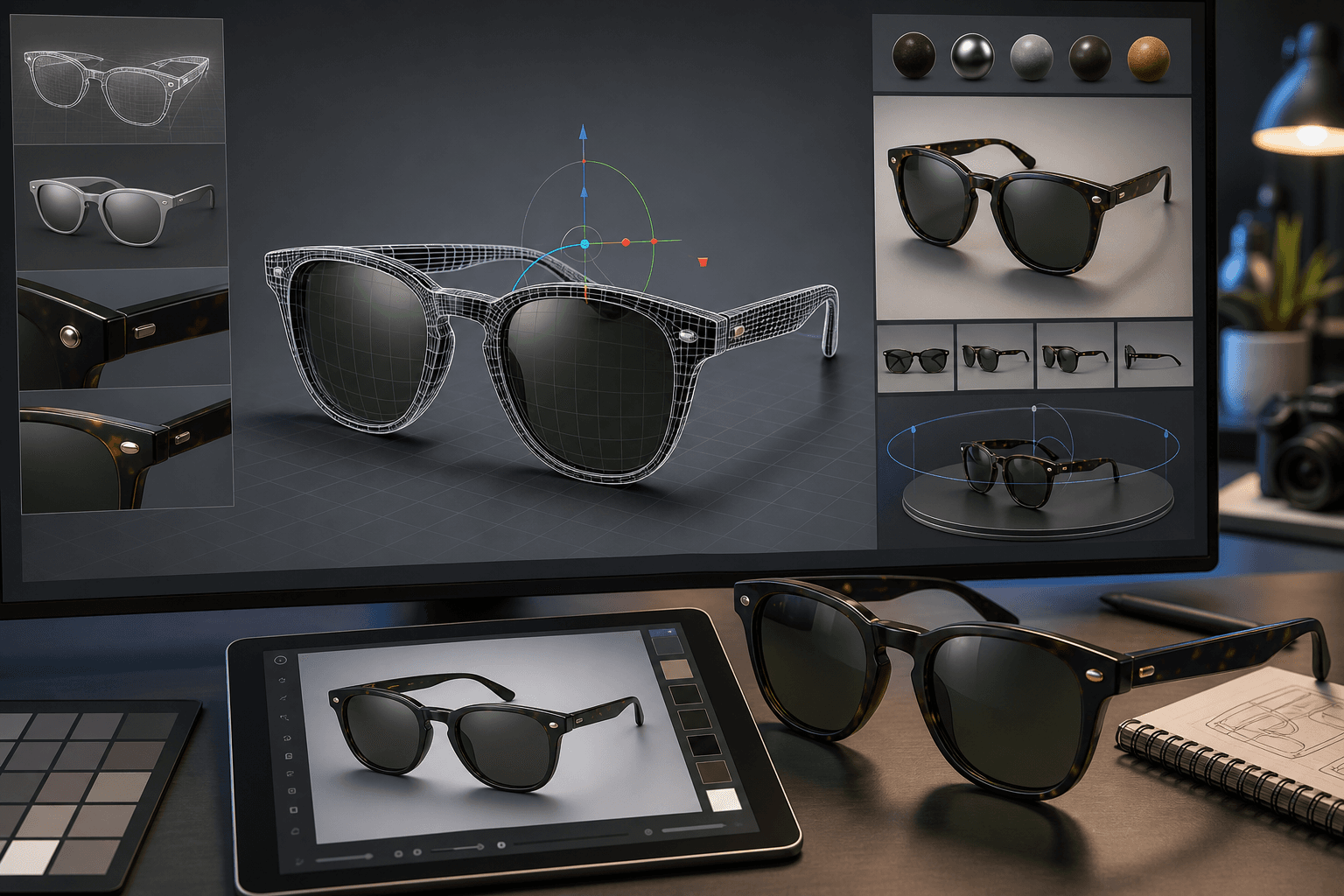
3D product visuals can help Amazon shoppers understand products faster, buy with more confidence and reduce avoidable hesitation on high value listings.
Listen to article
3D product visuals are often discussed as if they are mainly a creative upgrade. They look more modern. They make a listing feel more advanced. They give the customer something more interactive to explore.
That is true, but it is not the main point.
For Amazon brands, the commercial value of 3D is not the technology itself. The value is in helping customers understand the product with less effort and less doubt. When a shopper can rotate, inspect and assess a product more clearly, the listing has a better chance of turning interest into a confident buying decision.
This matters because many Amazon sales are not lost because the customer dislikes the product. They are lost because the customer is unsure.
Static Images Still Matter, But They Have Limits
Amazon listing images remain essential. A strong main image, clear secondary images, lifestyle photography, comparison visuals and A+ Content all have a role to play.
The challenge is that static images only show the angles a brand chooses to show. They cannot always communicate depth, proportion, shape, finish, scale or how the product feels in practical use.
That creates a gap for products where the buying decision depends on visual understanding. Furniture, sports equipment, fitness accessories, garden products, tools, toys, footwear, technical items and premium consumer goods can all suffer when customers cannot inspect enough detail before buying.
3D product visuals help close that gap. They allow the customer to explore more of the product before making a decision, especially on mobile where attention is short and every image has to work harder.
3D Can Support Conversion By Reducing Hesitation
Conversion on Amazon is shaped by relevance, price, reviews, availability, brand trust and content quality. 3D will not fix poor pricing, weak reviews or stock issues, but it can improve the way a product is understood.
That understanding is commercially important.
A customer may be interested in the product but still have practical questions:
- Does it look the same from the side and back?
- Is the shape what I expected?
- How large does it feel in real use?
- Can I see the details clearly enough?
- Does the finish support the price point?
- Does the brand look credible?
The more unanswered questions a customer has, the more likely they are to hesitate, compare alternatives or leave the page.
3D visuals can reduce that hesitation by giving shoppers more control over how they inspect the product. For high traffic ASINs, even a modest improvement in conversion rate can have a meaningful commercial effect because it helps more of the existing traffic turn into orders.
Customer Confidence Is The Real Benefit
A good Amazon listing should reduce risk in the customer's mind. That is especially important for products where size, shape, compatibility, material, finish or use case affects satisfaction.
3D visuals can help by presenting the product more completely. Instead of relying only on selected photography angles, the customer can explore the product in a way that feels closer to handling it.
This can be particularly useful for premium products, technical products, products with moving parts, products with unusual proportions or products where the customer needs to judge scale before buying.
When customers feel better informed, they are less dependent on guesswork. That can improve trust in the listing, trust in the brand and trust in the purchase decision.
Clearer Expectations Can Help Reduce Avoidable Returns
Returns are not always caused by faulty products. Many are caused by expectation gaps.
The customer expected the item to be bigger, smaller, thicker, lighter, more premium, easier to fit or different in shape. The product may have been described accurately, but the listing did not make the reality clear enough before purchase.
3D content can help reduce some of these gaps by giving customers a more complete view of what they are buying. It will not remove every return reason, but it can support better pre-purchase understanding.
That matters for brands because returns do not only affect margin. They also affect operational workload, customer experience, account performance and future buying confidence.
For Vendor Central and Seller Central teams, the question should be practical: where are customers misunderstanding the product, and could stronger visual explanation reduce that friction?
3D Works Best When It Connects To The Full Listing
3D should not sit apart from the rest of the listing. It should support the same commercial message as the title, bullets, image stack, A+ Content and brand story.
If the product has a technical feature, the 3D model should help customers understand it. If scale is a common objection, the listing should also include clear dimensions and contextual imagery. If the product is premium, the 3D asset should show the finish, structure and detail that justify the price.
This is where many brands need more than asset production. They need commercial planning.
The useful questions are:
- Which customer doubts are stopping conversion?
- Which product details are difficult to explain in static images?
- Which ASINs have enough traffic to justify the investment?
- Which products have return reasons linked to misunderstanding?
- Where could 3D support A+ Content, comparison modules or launch activity?
- How will success be measured after the content is added?
3D is strongest when it is part of a listing optimisation strategy, not a standalone design exercise.
Mobile Shopping Makes This More Important
Many Amazon customers make decisions on mobile. They swipe quickly, scan visually and make judgements before reading every line of copy.
That makes visual clarity more important. If the image stack and A+ Content do not answer enough questions quickly, customers may move on before they reach the detail that would have reassured them.
3D can help mobile shoppers engage with the product more actively. It gives them a way to inspect details without relying only on the brand's chosen image sequence.
The result is not just a richer experience. The result can be a better informed customer.
Brand Differentiation Still Matters
On Amazon, many categories are crowded with similar products, similar claims and similar image styles. A well executed 3D asset can help a brand feel more controlled, more serious and more helpful.
That does not mean every product needs 3D. It means the right products should be assessed properly.
For medium and large brands, the strongest opportunities are often found in products with meaningful traffic, high consideration, premium pricing, frequent customer questions, complex features or return reasons linked to unclear expectations.
Used well, 3D can support brand differentiation because it shows the customer that the brand has invested in helping them understand the product properly.
The Strategic View
3D product visuals should not be treated as a novelty on Amazon. They should be treated as a tool for better product understanding.
The commercial case is simple. If 3D helps customers inspect the product more clearly, feel more confident, reduce hesitation and buy with better expectations, it can support conversion, customer satisfaction and brand trust.
For brands already investing in Amazon SEO, listing optimisation, A+ Content and paid traffic, 3D may be one of the next areas to assess. Not because it looks advanced, but because it can help the listing do its real job more effectively.
For brands that want to use Amazon content more strategically, this is the lens I would apply: start with the customer decision, identify the uncertainty, then decide whether 3D can remove enough friction to justify the investment.